Renewable Energy Breaks Records in 2025
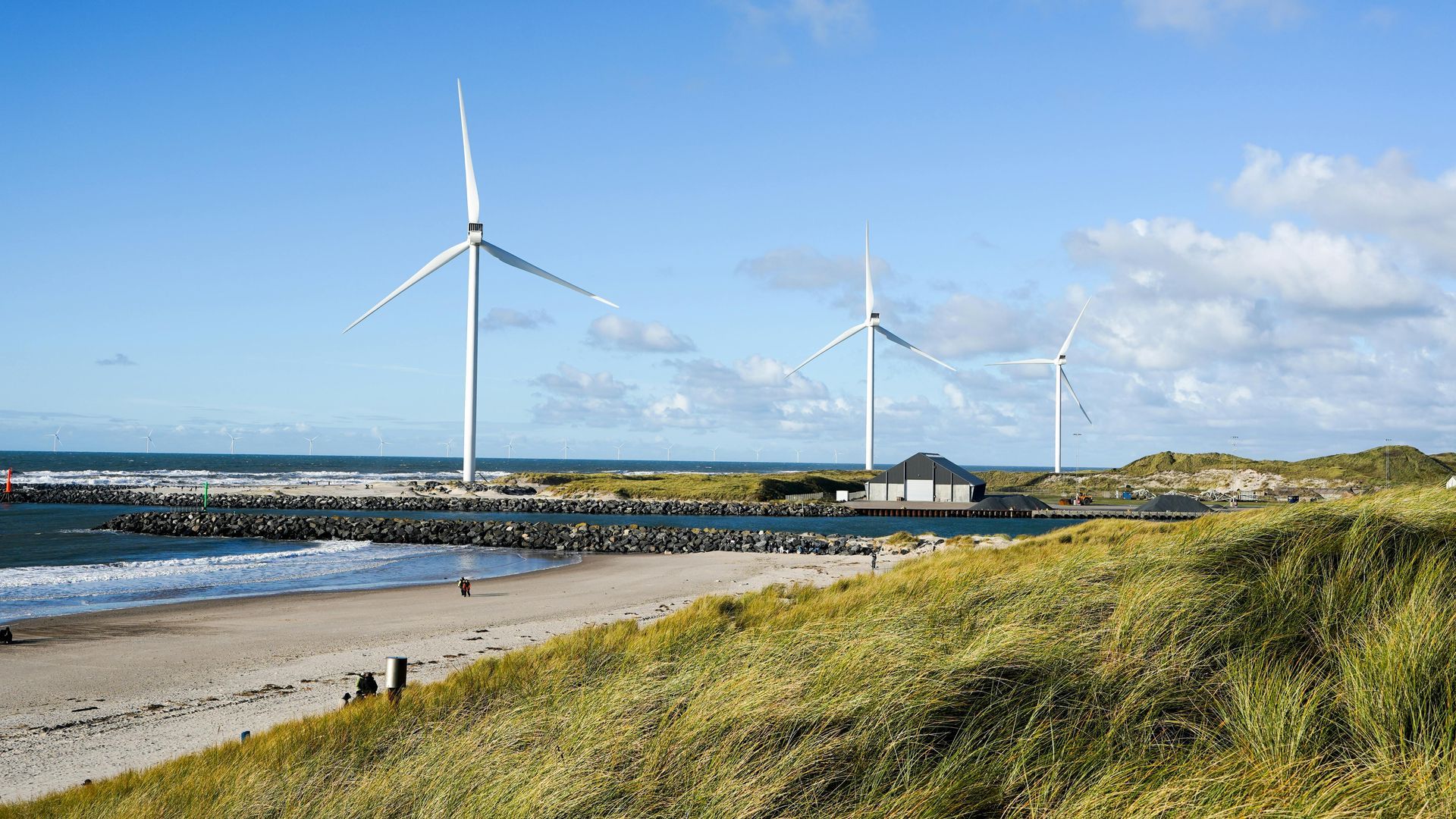
In 2025 the UK saw a record year for renewable energy. Here's what happened…
Renewables Reach Record Highs in 2025
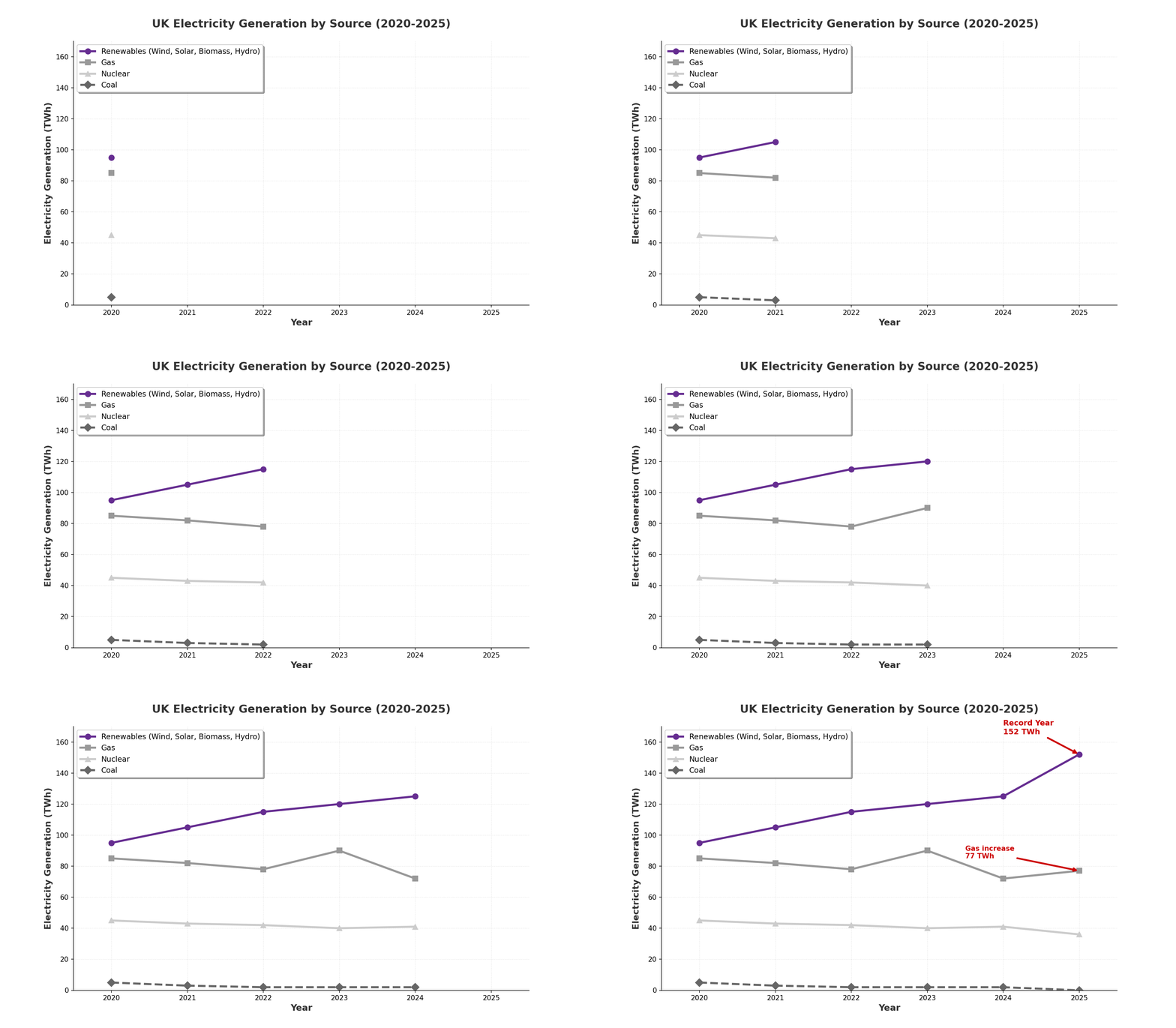
2025 was a record year for green energy in Britain. Wind, solar, and other renewables produced over 127 terawatt hours of power. That's about 40% of the UK's total electricity use. To give you an idea of scale, it could power 35 million homes for a whole year.
Wind power led the way, producing nearly 30% of Britain's electricity. That's a 5% increase from 2024.
Solar energy also performed incredibly well, generating around 18-19 TWh. Why the surge? 2025 turned out to be the sunniest year in the UK since 1910, with a total of 1,622 hours of sunshine.
Let's Look at What This Meant for Our Fuel Mix
Renewable energy now provides 47% of the UK's electricity. That's more than gas for the first time ever.
However, we actually used more gas in 2025 than in 2024. Gas provided 27-28% of our power in 2025, up from around 26% the year before.
Why the increase? When Britain's last coal power station closed in September 2024, it stopped producing electricity completely. Throughout 2025, nuclear plants also produced less power because many were offline for maintenance.
With both coal and nuclear out of action, something had to fill the gap. Renewables grew, but not enough to cover everything. So gas power stations had to work harder, running more often and for longer periods to keep the lights on.
This means that although we had a great year for renewable energy, each unit of electricity now produces 126 grams of CO2, up from 124 grams in 2024. Although it's only a 2% rise, it shows that we still rely heavily on gas to fill the gaps.
Why Did Solar Perform So Well?
We reaped the benefits of solar energy last year, and there were a few contributing factors as to why.
Firstly, we added 18% more solar panels across the UK. New solar farms went up. More homes and businesses installed rooftop panels. And of course, the sunny weather helped massively.
Big projects like the Cleve Hill solar farm in Kent came online, which is now the UK's largest solar farm at 373 MW capacity.
On sunny summer days in July, solar panels provided up to 40% of the country's electricity during peak hours. That's a massive jump from just 5% a decade ago.
Wind Power Leading the Way
Offshore wind farms continue to be our biggest renewable energy source. The main reason for this is that they can generate power day and night, all year round, and are not so limited like solar.
The sector shows no signs of slowing down. The Dogger Bank wind farm in the North Sea began operations in autumn 2025, and with several more major wind farms scheduled to come online in 2026, we can expect wind to be a great asset for generating green energy in the future.
This is also good news for your energy bills, as wind farms produce power at around £53 per megawatt hour. Current market prices are about £80. This is beneficial because when cheaper wind power comes online, it helps push down electricity costs for consumers.
The Grid
Here's the challenge. With lots of renewable projects getting approved in 2025, over 45 GW to be exact, this is nearly double the year before.
But approvals doesn't mean power. Many projects are stuck waiting to connect to the grid.
What's the holdup?
Britain's electricity grid was built decades ago. It wasn't designed to handle this many new renewable projects all at once. Developers can wait years in a queue just to get connected.
What needs upgrading?
To handle all this new capacity, we need:
- New substations to connect wind and solar farms
- Upgraded power lines to carry more electricity
- Better cables linking different parts of the country
The problem?
These upgrades are expensive and slow. Building new transmission lines can take up to 10 years. Substations can take anywhere from 5-7 years. It's not just about money. There are planning permissions and construction timelines to consider.
The government is trying to speed things up, but the physical infrastructure takes time to build. Until the grid catches up, many approved renewable projects simply can't deliver power.
What It Means for Your Business
How These Changes Affect Your Energy Strategy
The shift towards renewables creates both opportunities and considerations for business energy procurement:
- Market prices are increasingly influenced by weather patterns rather than global fuel costs
- Green energy tariffs are becoming more competitive as renewable capacity grows
- Businesses with flexibility can capitalise on periods of high renewable generation
- Regular contract reviews ensure you're taking advantage of the evolving market
How Can Purely Help?
For businesses, this means new opportunities to save money and cut carbon. But it also means the energy market will keep changing.
Want to make sure you're getting the best deal as the energy market evolves? We're here to help.
If you would like a free quote, please fill in the box below, or to find the best rates, please click here.
For more information. Contact us on 0161 521 3400 or email us at info@purelyenergy.co.uk
Written By Faith Labong at Purely Energy