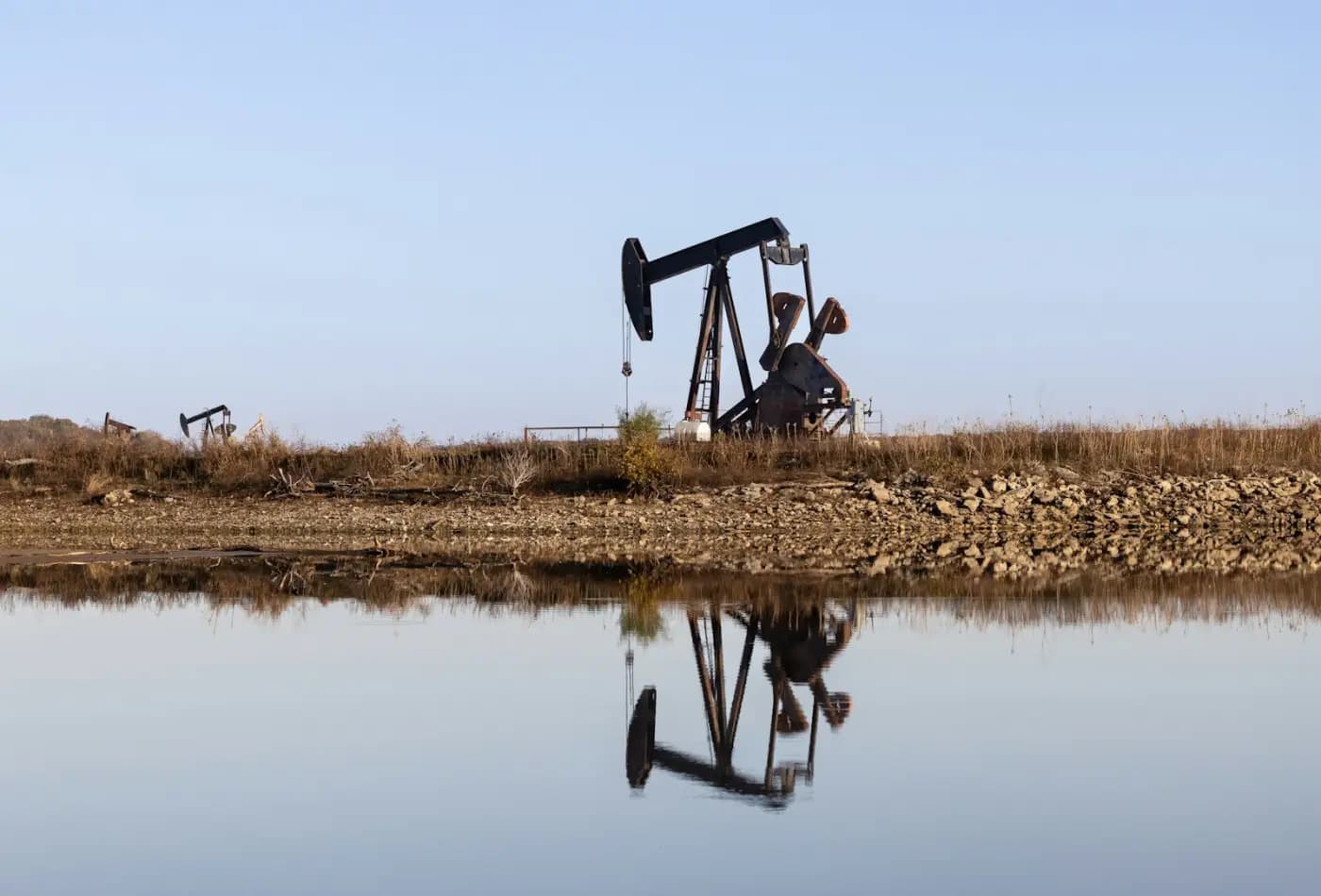
Brent falls $1.49 to $115.23 as Qatar pushes Iran mediation effort
Brent crude dropped $1.49, or 1.28%, to $115.23 a barrel on Monday, and WTI fell $1.76, or 1.7%, to $101.51, as hopes grew that Qatari mediation could ease US-Iran tensions after last week's six-month highs.
Harvey Rowlinson, Founder and Director, Purely Energy
Brent crude eased to $115.23 a barrel by 0744 GMT on Monday, down $1.49 on the day, while US WTI crude slipped to $101.51, a fall of 1.7%. The retreat follows a sharp run-up last week, when Houthi strikes on Saudi Arabia drove Brent up nearly 6% over the week and WTI up 2.3%, with both benchmarks gaining close to $3 in a single session on Friday.
The pullback tracks diplomatic movement rather than any change in physical supply. Reuters reported that Qatari mediators travelled to Tehran on Sunday, working alongside the United States to de-escalate regional tensions, and that senior officials from Saudi Arabia, Turkey and Pakistan were due to meet Iranian leaders in Tehran on Monday, the first such high-level contact since Houthi attacks on Saudi Arabia exposed the depth of the standoff. Vandana Hari of Vanda Insights said fears of renewed military conflict, which drove last week's surge, 'have lessened this morning, but this calm may be short-lived', noting that President Trump has not ruled out strikes on Iran after the 3 November midterms.
The chart below tracks Brent over recent months, giving context to Monday's pullback from last week's sharp run-up.
Wholesale market chart
Brent Crude
Last 7 days, settlement data
116.4USD/bbl
+8.9% over 7 days
Why this window: Last 7 days — 8.4% range, 8.9% net move higher. Tight window picked so the week's price action is visible.
What this means for UK buyers
For UK commercial buyers, this is a market pricing in diplomacy, not resolution. Oil moves of this size feed through to transport, logistics and feedstock costs, and indirectly to gas and power curves via correlated risk sentiment, so the direction of travel matters more than the one-day dip for anyone pricing a renewal this quarter.
- Qatari-led mediation talks in Tehran, running in coordination with Washington
- Saudi Arabia, Turkey and Pakistan officials meeting Iranian leadership on Monday
- Continued Houthi strikes on Saudi Arabia's East-West pipeline and Riyadh airport over the weekend
- Disrupted shipping through the Strait of Hormuz and Bab el-Mandeb Strait
- Saudi Aramco's new Singapore storage facility, due from the second half of 2027
The underlying risk has not gone away. Priyanka Sachdeva of Phillip Nova said the current decline 'seems more indicative of position adjustments and risk management rather than any significant improvement in the underlying supply situation', and attacks persisted through the weekend, with Saudi Arabia intercepting further missiles and drones. Fatih Birol, head of the International Energy Agency, told an industry event in Singapore on Monday that he does not expect energy markets to return to pre-war conditions by 2027, a comment the Financial Times also flagged from the same event.
Watch the Tehran talks this week for any formal de-escalation signal, and watch for further Houthi activity on Saudi infrastructure, since either could reverse Monday's move quickly. Buyers with flexible contracts should treat this dip as a pause, not a trend, given that both analysts cited above still see risks skewed upward.
How we produced this article
This article was AI-drafted from public market reporting by Harvey Rowlinson on 26 October 2026. It is scheduled for its next review on 26 October 2027.
Sources
- Oil prices fall from near six-month highs as there are hopes that hostilities in Iran will diminish., Reuters (accessed 26 October 2026) (subscription required)
- Oil price falls on Qatari mediation push, Financial Times (accessed 26 October 2026) (subscription required)
Read our editorial standards and corrections policy.