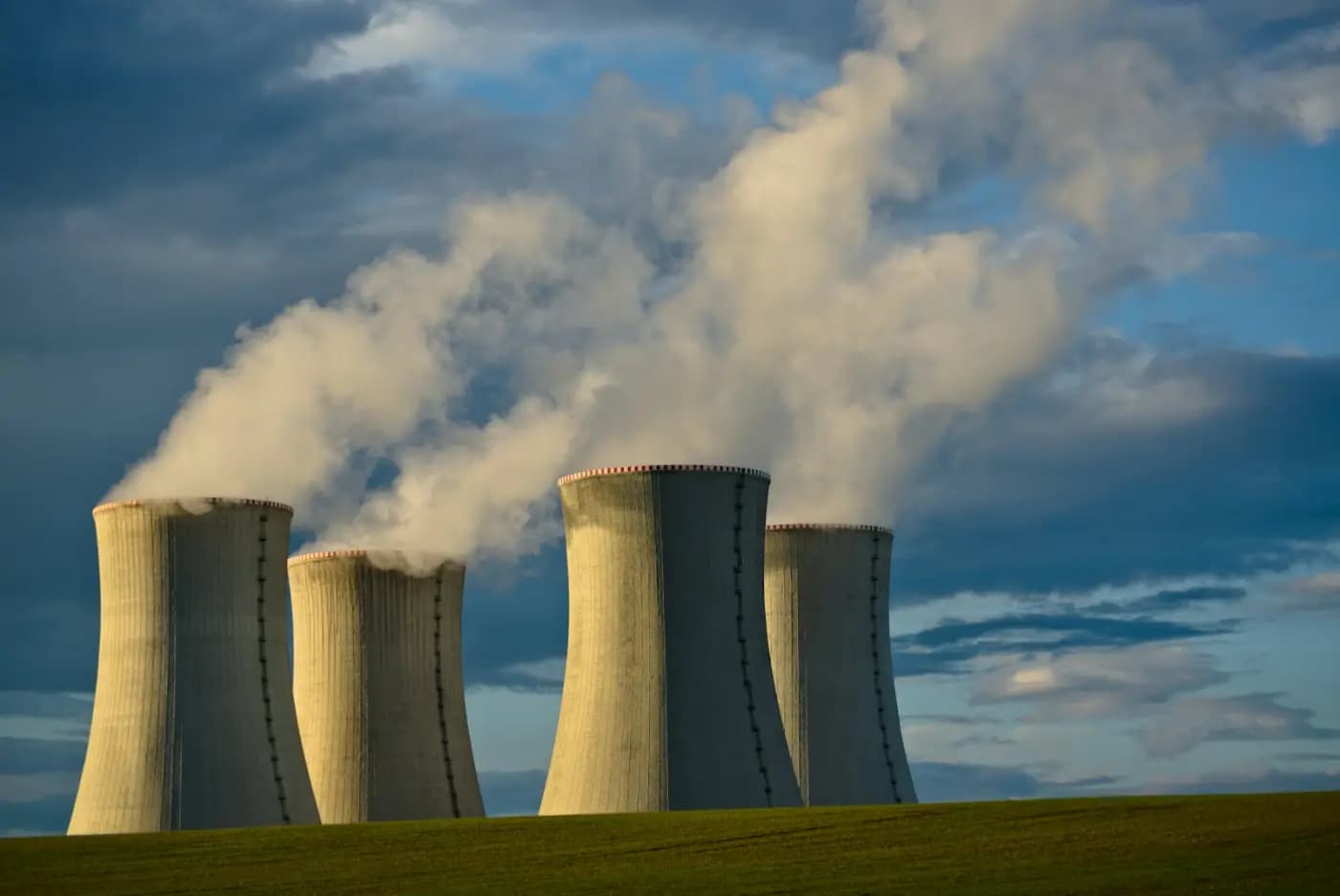
Healey plans to scrap gas standing charges, saving £50 a year
Chancellor John Healey is expected to confirm in Wednesday's Budget that household gas standing charges will be scrapped, cutting typical bills by as much as £50 a year.
Harvey Rowlinson, Founder and Director, Purely Energy
John Healey is set to use his first Budget statement to eliminate standing charges on household gas bills, delivering a saving of up to £50 annually, according to reporting by the Telegraph. The move would also introduce new restrictions on the energy secretary's power to impose net zero levies on gas bills, a structural change to how green policy costs reach consumer bills rather than a one-off discount. The Treasury has not commented on the reports.
The mechanism matters here. Standing charges are the fixed daily fee households pay regardless of consumption, covering network and metering costs, and they have drawn political pressure for years as a flat cost that hits low-usage households hardest. Bloomberg reported that Healey intends to scrap these charges on gas bills specifically, while also capping ministerial discretion to load net zero costs onto household gas pricing. The BBC's live Budget coverage confirmed Healey was en route to Downing Street ahead of Wednesday's statement, with the measure expected to feature prominently.
What this means for commercial buyers
This is a household policy, not a business one. Standing charge reform of this kind applies to domestic gas bills and has no direct read-across to commercial supply contracts, which are priced on wholesale rates, network charges and supplier margins negotiated separately. But the policy signals something buyers should track: government appetite to restructure how levy costs are allocated across the energy system.
- Household gas standing charges: targeted for removal, saving up to £50 a year
- Net zero levy powers: new restrictions proposed on the energy secretary's authority
- Commercial contracts: not directly affected by this measure
- Precedent risk: levy reallocation often shifts costs rather than removes them
- Budget date: Wednesday, details to be confirmed in the statement
If net zero levy costs are capped on domestic gas bills, that cost does not disappear. It is either absorbed by the Treasury, shifted to electricity bills, or redistributed towards non-domestic users, including commercial gas and power contracts. None of that is confirmed yet, and the Telegraph's reporting does not specify the mechanism for recovery.
What to watch next is Wednesday's statement itself, and specifically whether DESNZ or Ofgem publish any accompanying detail on how levy costs will be redistributed if they are removed from domestic gas bills. Commercial buyers with renewals due in the coming months should watch for any follow-up consultation on non-domestic cost recovery, since that is where this policy could eventually touch business energy pricing.
How we produced this article
This article was AI-drafted from public market reporting by Harvey Rowlinson on 29 October 2026. It is scheduled for its next review on 29 October 2027.
Sources
- Healey prepares to cut household gas bills by £50, The Telegraph (accessed 29 October 2026) (subscription required)
- Healey to Scrap UK's Standing Charges on Gas Bills, Bloomberg (accessed 29 October 2026) (subscription required)
- Budget 2026 live: Healey leaving Downing Street, BBC (accessed 29 October 2026)
Read our editorial standards and corrections policy.