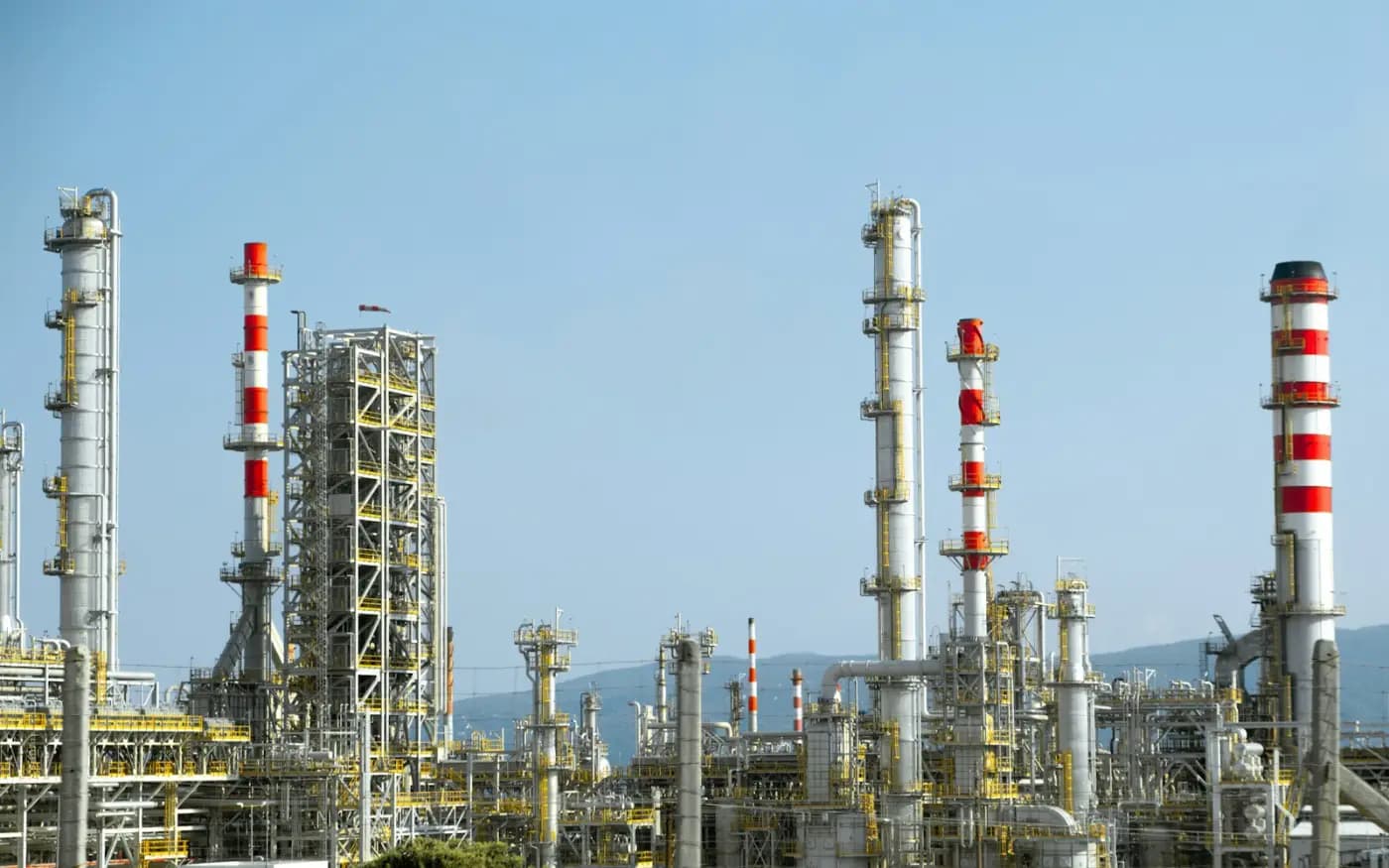
Saudi Arabia lifts OPEC+ output to 41.23m bpd, near February levels
OPEC+ crude production rose to 41.23 million barrels per day (bpd) in October, an increase of about 2.04 million bpd on September and roughly 97% of the February peak reached before the Iran conflict disrupted Gulf shipping.

Harvey Rowlinson, Founder and Director, Purely Energy
OPEC+ (the Organization of the Petroleum Exporting Countries plus partners including Russia) produced 41.23 million bpd last month, according to OPEC's monthly release cited by Reuters. That is up 2.04 million bpd from September and close to the 42.72 million bpd the group pumped in February, before strikes on Iran disrupted shipments through the Strait of Hormuz. For UK buyers tracking input costs into gas and power contracts, the scale of this recovery matters more than the headline figure alone.
The rise is overwhelmingly a Saudi Arabia story. Riyadh reported output of 10.563 million bpd in October, up from 8.372 million bpd in September and its highest since February's 10.882 million bpd. The FT reported that Saudi production has rebounded close to prewar levels, with Gulf producers using workarounds such as ship-to-ship transfers to keep exports moving despite the ongoing disruption. Russia added a smaller 41,000 bpd, reaching 8.668 million bpd, a move Reuters linked to a temporary, largely ineffective US-brokered energy ceasefire that nonetheless curbed Ukrainian strikes on Russian refineries.
What this means for UK energy buyers
The chart below tracks Brent crude over the past six months, giving context to how far the supply-driven risk premium has unwound since the Gulf disruption.
{{LIVE_NEWS_CHART}}
Oil and gas markets are not the same thing, but Brent crude feeds into LNG pricing formulas, freight costs, and sentiment across European gas hubs, including NBP. A faster-than-expected supply recovery from the Gulf tends to cap upside risk premiums that built up during the Iran conflict, which is relevant for anyone pricing renewal quotes against current forward curves.
- Saudi output: 10.563 million bpd, highest since February
- Russian output: 8.668 million bpd, up 41,000 bpd month-on-month
- OPEC+ total: 41.23 million bpd, 97% of February's pre-war level
- 2026 global demand growth forecast: 180,000 bpd (unchanged)
- 2027 global demand growth forecast: 2.55 million bpd, averaging 108.3 million bpd
OPEC held its demand forecasts steady after six consecutive months of downward revisions, a signal that the group sees supply recovery outpacing any softening in consumption. That stability, paired with the production rebound, points toward a calmer near-term oil backdrop than the conflict period suggested a few months ago.
Watch Brent's reaction over the coming weeks as the market digests whether this output level holds into November, and monitor whether Strait of Hormuz shipping risk re-emerges; either shift would feed through to gas-indexed contracts before your next renewal window.
How we produced this article
This article was AI-drafted from public market reporting by Harvey Rowlinson on 12 November 2026. It is scheduled for its next review on 12 November 2027.
Sources
- OPEC+ oil production in October approaches levels seen before the Iran war, primarily driven by Saudi Arabia., Reuters (accessed 12 November 2026) (subscription required)
- Saudi oil production rebounds close to prewar levels, FT (accessed 12 November 2026) (subscription required)
Read our editorial standards and corrections policy.